The Davos Post-Mortem: Sovereignty, Spreads, and the Clarity Act’s "Agricultural" Breakthrough

The private jets have left the Alps, but the crypto legislative engine in D.C. has hit overdrive.
In my last post, I warned about the desperate sprint to institutionalize the digital frontier. Yesterday, that sprint turned into a full-blown legislative charge. On January 29, 2026, while the ink on the Davos transcripts was still wet, the Senate Agriculture Committee officially advanced the market structure legislation—the Clarity Act—out of committee.
This is a massive moment. Groups like Stand With Crypto are rightfully celebrating a hard-fought win for "rules of the road," with over 250,000 community contacts to Congress this month alone. But as we move from Davos rhetoric to D.C. reality, we must look at the fine print through the "Polymath" lens.
The Geopolitical Weaponization (The "Bitcoin Standard" vs. The Individual)
President Trump’s Davos address last week transformed the Clarity Act from a technical bill into a weapon of national security. By framing it as the primary defense against China’s interest-bearing e-CNY, he gave the Senate Agriculture Committee the political cover it needed to advance the bill yesterday.
The Polymath Pivot: Trump has framed the Q1 push as "American Dominance." But we must ask: Are we building a digital standard for the individual, or just a digital fortress for the state? When legislation is rushed under the banner of "National Security," the first thing to be sacrificed is often the permission-less nature of the tech.

The Great Enclosure: The $21B Floor and the "Yield Wall"
Davos 2026 was the funeral for "Crypto Pilots." We are now in the era of Sovereign-Level Tokenization. With Real-World Asset (RWA) total value locked surpassing $21 billion during the forum, the conversation has shifted.
The Senate Agriculture Committee’s move yesterday confirms that the CFTC will play a massive role in overseeing these tokenized commodities. This is good for "Clarity," but it brings us back to my warning: Section 404. While the "Old Guard" (those 53 banking associations) wants the efficiency of the blockchain, they are fighting tooth and nail to keep the 4.4% yield spread for themselves. They want the pipes; they don’t want you to own the water.
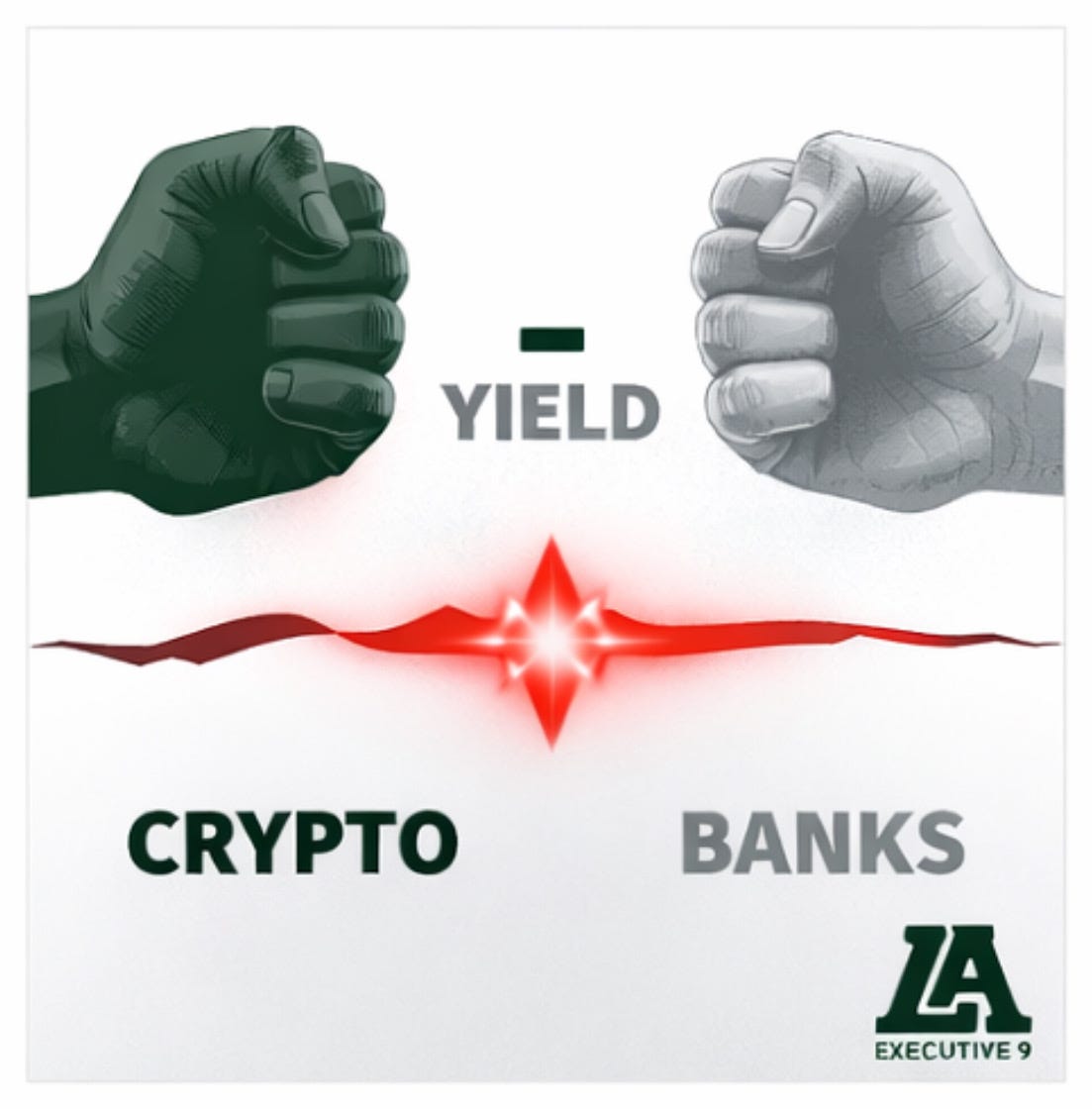
The "Red Line": Why the Industry is Fractured
The most telling moment of the post-Davos week wasn't just the Senate markup—it was the withdrawal. When Coinbase pulled its support for the current draft over the ban on stablecoin rewards, the "Yield Apartheid" became the official battleground.
The crypto industry is applauding Chairman John Boozman for delivering a "clear and predictable set of laws." But for the "Founder-Creator-Investor" (FCI), clarity is only half the battle. If a law is "clear" but mandates bank extraction of your yield, it isn't a victory—it's a tax on innovation.
Reclaiming the Narrative: The Path Forward
I know often that "common-sense regulation" is a euphemism for "institutional capture." As a Morehouse graduate, I know that whenever a new frontier is "ordered," we must look at who is being excluded from the profits.
The Senate Agriculture Committee has moved us one step closer to the "U.S. Crypto Capital" Trump promised in Switzerland. But our challenge remains he same: Scale the Yield Wall.
We demand that the 4.5% returns made possible by this technology stay with the people who provide the liquidity—the 52 million American crypto users Stand With Crypto is mobilizing—not just the institutional vaults.
The Davos Directive was the plan. The Senate markup is the next step. The Clarity Act dust hasn’t been settled on who will hold the keys to the digital frontier of finance.
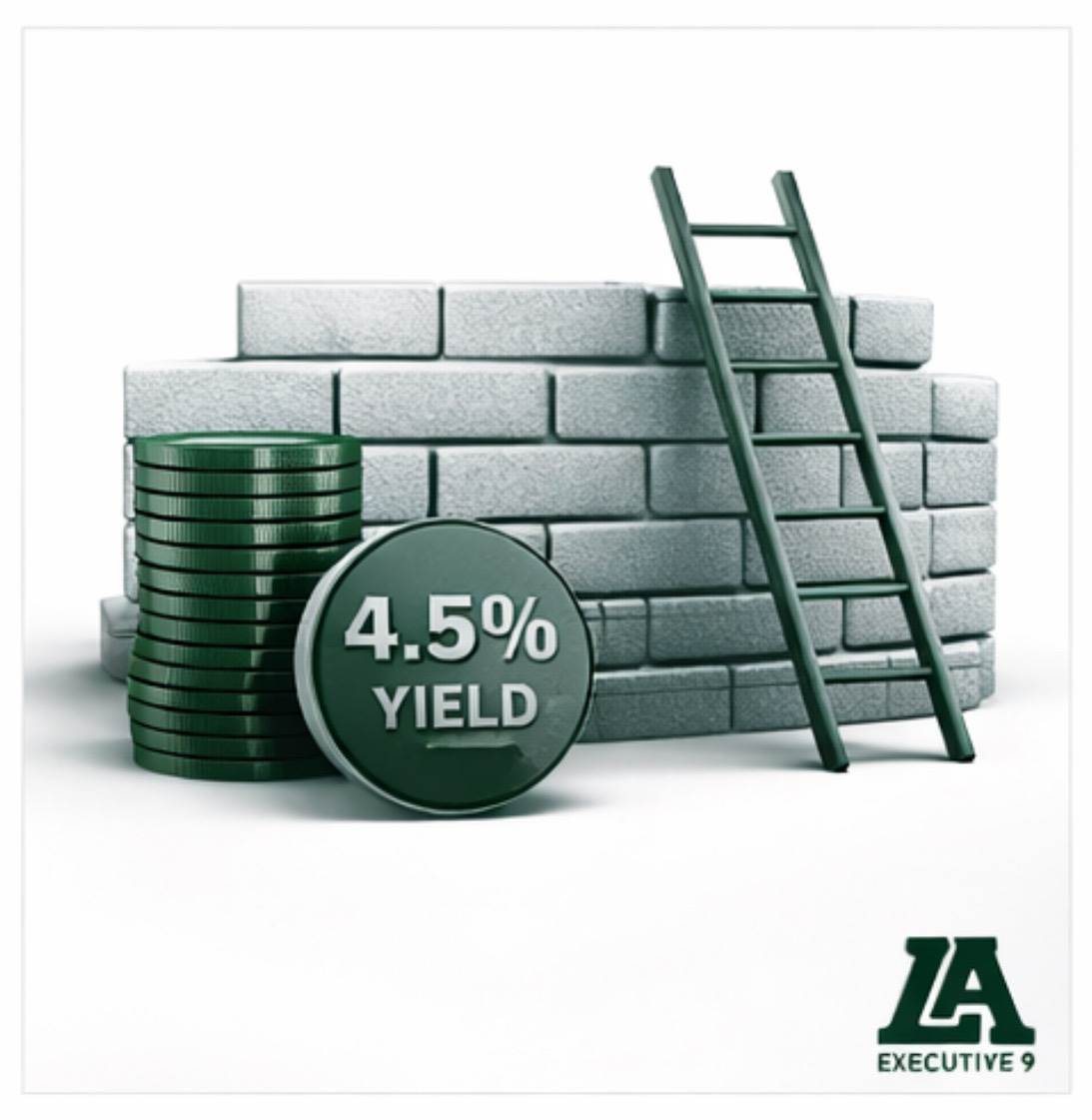
The Senate Agriculture Committee just advanced the Clarity Act. Stand With Crypto calls it a win; Coinbase calls the yield ban a red line. Where do you stand? Is 'Clarity' worth the price of the 'Yield Wall'?
https://www.threads.com/@alexmakosz/post/DUOm-nqkot2?xmt=AQF0EG2o6lxmnXHb5iUoqL7t3YjxNI5-CejmqRMWhCqvRBulaSvu_QS-GQkSvkfddrwXRovC&slof=1