The Davos Directive: Re-Centering the Digital Frontier

This week, the thin mountain air of Davos hummed with a tension that did not exist in 2024. The global elite, once openly dismissive of digital assets, now find themselves in a desperate sprint to institutionalize them. While speakers buzzed with platitudes about rebuilding trust and financial sovereignty, the real action was a tectonic shift in the global power structure—one that I have seen unfolding from the conference rooms of Big Law to the bullpens of finance and tech.
In my last post, I asked a question that has become a definitive lens for 2026: “Who is the regulation actually for?” After a week in the Alps, the answer has moved from the shadows to center stage.
The Geopolitical Weapon: Trump’s "Financial Technology Race"
President Trump used his Davos address this Wednesday to frame the Clarity Act not just as a domestic bill, but as a weapon of national security. By positioning it as the primary vehicle to win the "financial technology race" against China’s deposit interest-bearing e-CNY, he signaled that crypto is the administration’s top legislative priority for Q1 2026.
The Answer: On the surface, the regulation is for "American Dominance." But looking closer, this is about Legacy Preservation. By tying market structure to a race against Beijing, the administration is attempting to build a "Bitcoin Standard" that mirrors the gold standard of old. It serves the Nation-State, but it risks ignoring the individual. If we build a digital capital of the world that only serves flags and fortresses, we lose the "borderless movement of value" that actually empowers and unburdens the unbanked.

The Great Enclosure: Inside the "Yield Apartheid"
The consensus among Davos power brokers was clear: 2026 is the year Real-World Asset (RWA) tokenization moves from pilot to core infrastructure. Major institutions are no longer debating the tech; they are aggressively tokenizing stocks and bonds, with the RWA market surpassing $21 billion in total value locked this month alone.
The Answer: The regulation is for the New Digital Custodians. While retail investors wait for crumbs, the "revolution" is being walled off for wholesale settlement. This is the Yield Apartheid I’ve warned about.
By focusing on "wholesale" first, gatekeepers ensure they own the pipes before the public can access the water. This is the transition from Experimentation to Extraction. Banks are currently lobbying for Section 404 of the Clarity Act to ensure they are the only ones allowed to profit from your "idle" cash. The law is being used to ensure that the 4.4% spread—which stablecoins could and should return to individuals—stays locked inside institutional vaults while you are forced to accept 0.1%.
CZ’s Reality Check and the Lobbying War
In a packed Davos session, Binance co-founder CZ offered a sobering "reality check": crypto payments aren't mainstream because of fragmented global rules. His solution? "Regulatory passporting." Having worked on this issue as General Counsel for Product and Regulatory at Fireblocks, I know the pain of navigating the regulatory tea leaves across disjointed regulatory jurisdictions.
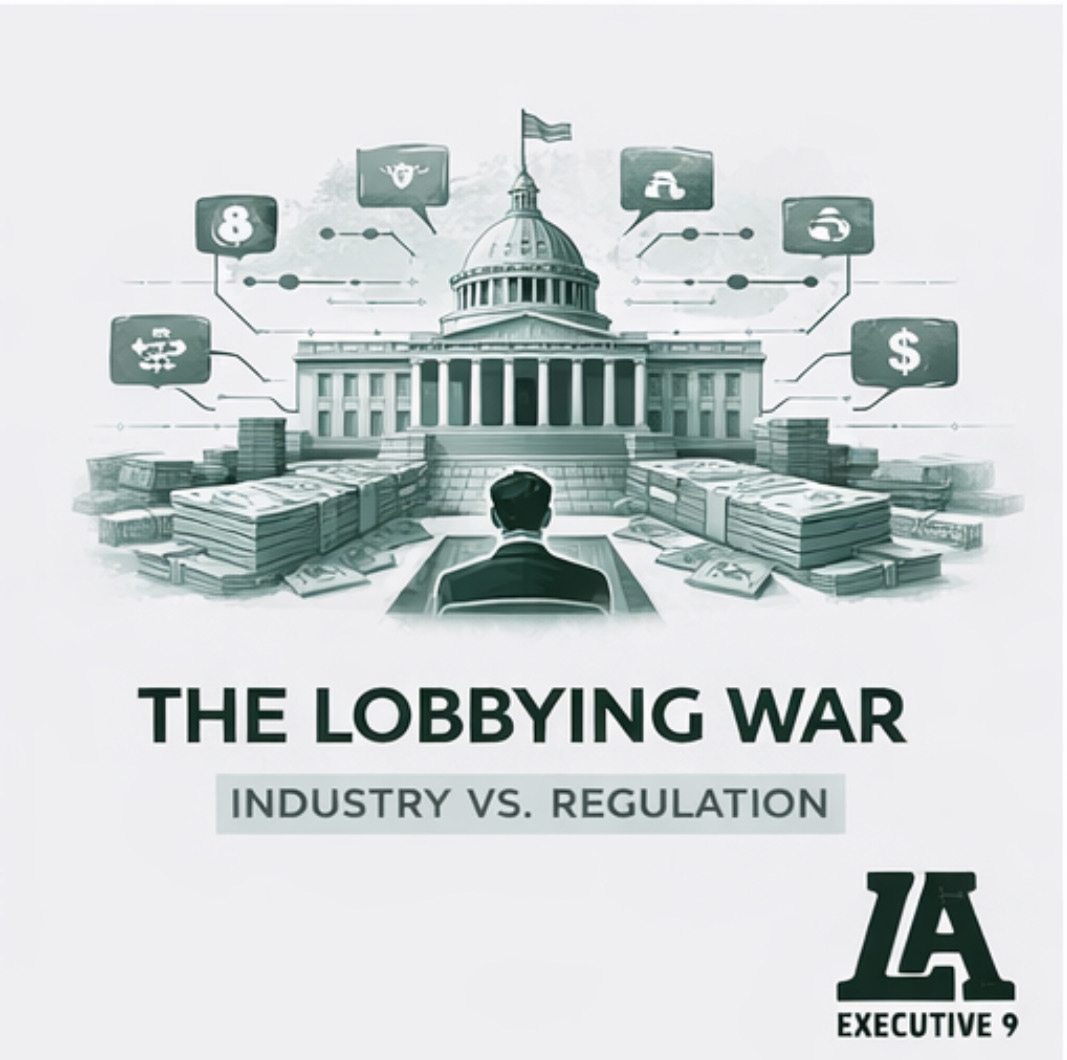
However, the industry is now fractured. While companies like Circle still back the bill, Coinbase recently withdrew its support, calling the Senate’s latest draft "unacceptable." CEO Brian Armstrong’s "red line" was the proposed ban on stablecoin rewards (proposed Section 404)—a move that would effectively subsidize traditional banks/Tradfi at the expense of crypto innovators and stablecoins early adopters.
The Answer: Currently, the regulation is for Bureaucratic Harmonization, not Consumer Protection. It treats the American saver as a child to be "protected" from 4% yields while legacy institutions trade that same volatility for record profit.
The Midterm Calculus: Securing the "Crypto Capital"
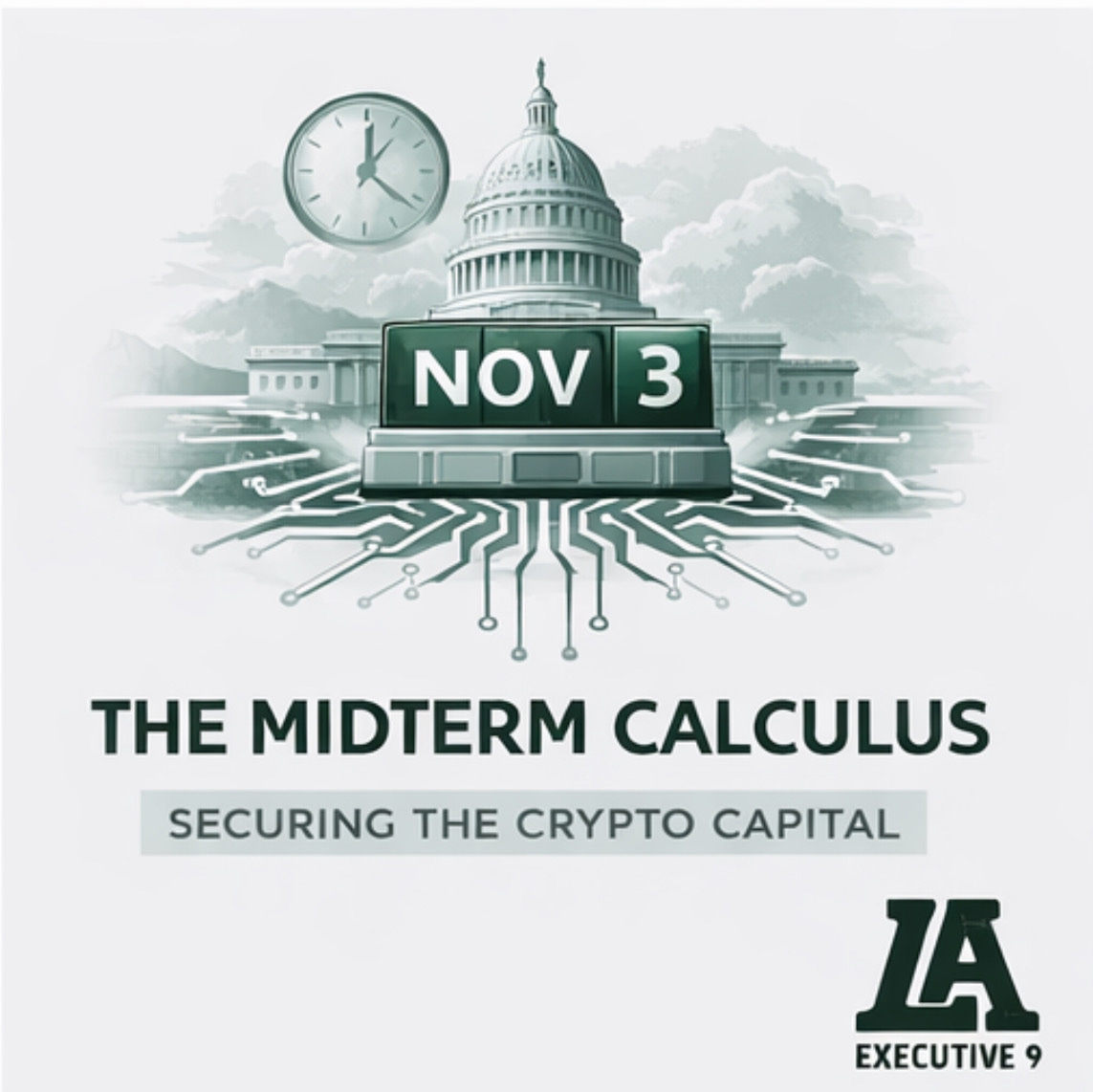
The clock in Davos wasn't just set to Swiss time; it was set to the November 3, 2026, U.S. Midterm Election calendar. There is a frantic push to sign the Clarity Act "very soon" to solidify a legislative legacy.
The Answer: This urgency isn't out of a desire for innovation, but a fear of political shifts and challenging poll numbers. If the act isn't codified by spring, the "Old Guard" risks a return to enforcement-by-whim and newly organized crypto voters could react by staying home or becoming voters with a grievance at the polls in November. This is regulation as a campaign asset—an attempt to "Dodd-Frank" the industry into a shape that fits a specific political window.
The Polymath Perspective: Reclaiming the Narrative
We have seen this movie before. We are seeing the "Old Guard"—led by the banking associations—try to rent-seek on the laws of the future. As a Morehouse graduate and a "Founder-Creator-Investor," I refuse to accept a future where digital innovation is just a new coat of paint on old systems of extraction.
We don't just need "Clarity"; we need to scale the Yield Wall. We must look beyond the "first-day pops" of Davos headlines (even if we are all relieved that the U.S. is seeking a "framework" rather than a military solution for Greenland). We know who the regulation is currently for. Now, we must demand regulation that is for us—the builders, the architects, and the communities ready for true digital sovereignty.
https://podcasts.apple.com/us/podcast/tokens-of-wisdom/id1654234893?i=1000746988983